Keep our eye
on the children.
Our schools deserve our support. Our children deserve our attention. Before asking families for more money permanently, Orange must show how its priorities will reach the students who need help most. Over the last 15 years, while revenue per student increased by 54%, the district eliminated teachers and added administrators.
Vote NO on Issue 8, the permanent levy.
Demand Accountability - Not More Administrators
A community case for better priorities, stronger oversight, and continuing accountability to voters.
an excellent education.
Better Ohio PAC is a group of parents and citizens concerned about the future we are providing for our children. We are bringing our concerns—and the records behind them—to our neighbors.
Revenue up.
Enrollment down.
Fifteen years. $15.4 million more in annual revenue. Fewer students.
“Expenses go up, uh, revenues stay pretty flat.”
Superintendent Lynn Campbell · WKYC · October 12, 2026 · 1:07–1:19
Watch the statement and its context
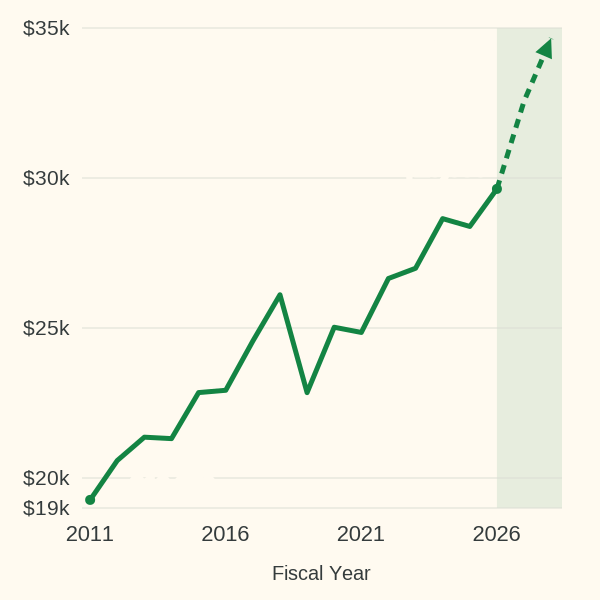
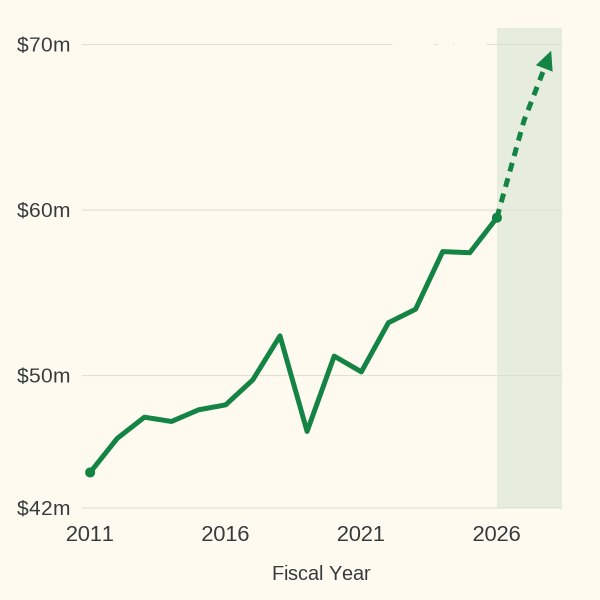
“Pretty flat” does not describe this 15-year increase in dollars received. Orange’s own General Fund filings show annual revenue rising from $44,147,543 in FY2011 to $59,538,589 in FY2026. That is a 34.9% increase before Issue 8. With fewer students, revenue per student rose 53.8%—the 54% shown in our graphic.
Revenue per student
$19,270 → $29,636
Total revenue
$44.15 million → $59.54 million
Student enrollment
Enrollment declined over 15 years
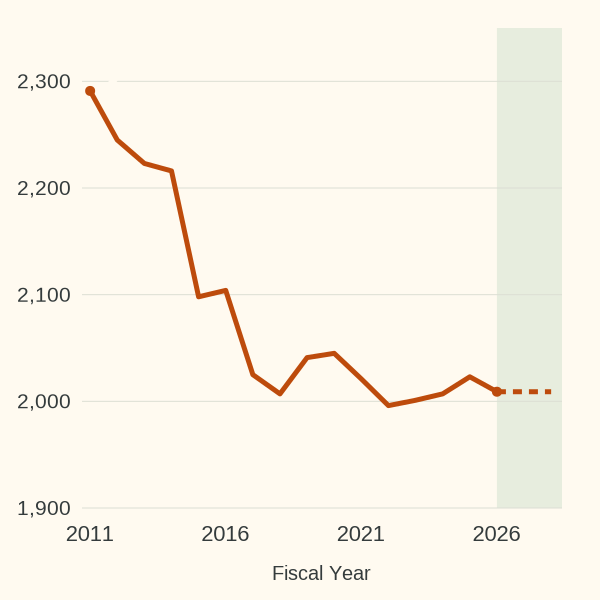
Nominal General Fund dollars · Percentage changes: FY2011–FY2026 · All three charts use the same years; vertical scales are cropped and labeled.
No new operating levy does not mean flat revenue.
The district’s last new general operating levy was approved in 2011. Its revenue did not stop growing. The records show more total General Fund dollars and more dollars per student, while enrollment fell. The increase is real before adding a single dollar from Issue 8.
Issue 8 will increase spending to $35,300 per child – the 2nd highest in Ohio
Orange already spends an estimated $31,400 per student. If all new annual levy revenue is spent and enrollment stays the same, that rises to $35,300—45% above the average of our six comparison districts.
The letter’s “2nd highest” comparison places this scenario against the state’s published 2024–25 spending figures for 606 districts.
Three of those districts already achieve better third-grade math results for economically disadvantaged students while spending less per child than Orange. Before asking families for a permanent tax increase, the district must explain how more money will deliver better results for children still struggling today.
Orange’s $35,300 scenario would rank second against the 606 traditional districts in Ohio’s FY 2025 profile. Only East Cleveland’s reported figure was higher. This compares Orange’s 2025–26 estimate plus full annual levy spending with other districts’ 2024–25 actuals.
Yearly operating spending per student · 2025–26 estimates
| District | Per student |
|---|---|
| Orange with full annual levy spending | $35,300 |
| Orange current estimate | $31,400 |
| Beachwood | $29,800 |
| Shaker Heights | $28,400 |
| Chagrin Falls | $25,700 |
| Rocky River | $21,700 |
| Mayfield | $20,700 |
| Hudson | $19,800 |
| Six-district average | $24,400 |
The Orange levy scenario assumes all $7,755,983 in annual new revenue is spent, with enrollment unchanged. It is not an adopted district budget. New collections begin in 2027. Figures rounded to $100.
A five-star reputation comes
with a responsibility to every child.
We are proud of Orange’s five-star rating. But 42% of economically disadvantaged third graders did not meet the state’s math standard in 2025–26.
Rocky River, Mayfield, and Beachwood each had a higher share of these students meeting the standard, with lower estimated operating spending per student. We are concerned that district leaders have lost sight of the children behind the rating.
Five stars cannot be the finish line while children still struggle.
57.9% of economically disadvantaged third graders met the standard, compared with 81.3% of their peers who were not economically disadvantaged. These students deserve focused attention.
Third graders meeting the math standard

Economically disadvantaged students · 2025–26
Percentages rounded. Chagrin Falls is omitted because its comparable subgroup result is suppressed in the state file.
Orange’s economically disadvantaged student rate was 24.2% across all grades. We want attendance support that helps children be present and ready to learn.
14% of our teachers were eliminated while administrators were added

A child who struggles with math needs someone to notice—and a teacher with time to help.
14% of teaching positions were eliminated and 9% more administrative positions were created from 2015 to 2025. Families deserve a clear explanation of how these choices put children first.
These are net changes in district-reported full-time-equivalent positions: teaching fell from 220.7 to 190.5, while administration rose from 20.0 to 21.8.
See the staffing counts and definitions2015–2025
2015–2025
A decade of staffing changes
District-reported full-time equivalent positions. Both series start at 100. Straight lines show only the 2015 and 2025 endpoints; yearly changes are not plotted.
than the six-district average
Orange spends 31% more on administration than our comparison districts
In 2024–25, Orange spent $4,190 per student on administration, compared with a six-district average of $3,199. We believe that spending so much more while children still need individual attention shows that the district has taken its eye off the ball.
See the administrative spending comparisonEven with excessive administrative costs, $619k went to a scammer
sent to a fraudulent account.
The requestA scammer posed as a vendor and requested a bank-account change.
The missed safeguardThe district did not independently verify the change before sending payment.
The recoveryInsurance later reimbursed the full amount.
Even with its high administrative spending, Orange failed to follow a basic financial safeguard. The district’s independent audit firm, Julian & Grube, Inc., reported that district personnel sent $619,984 to a fraudulent account without independently verifying a requested change to a vendor’s banking information.
Recovery does not erase the failure. Before asking families for a permanent tax increase, the district must demonstrate that it can responsibly manage the money already entrusted to it.
Our children deserve better stewardship of the resources intended to serve them.
Read the auditors’ findingOur children deserve the same urgency as our facilities
Orange reported nearly $39 million in capital spending from 2016 through 2025.
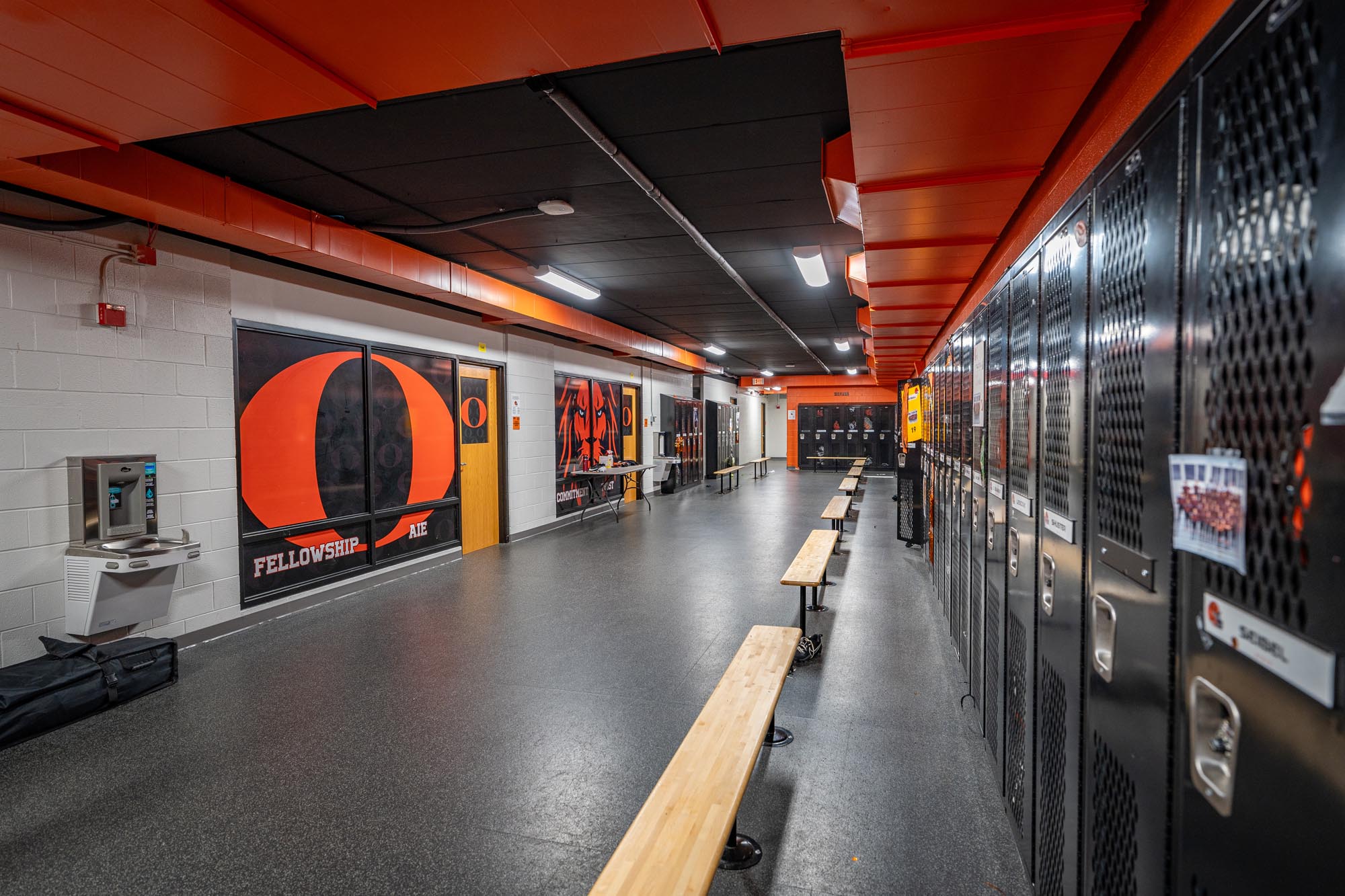
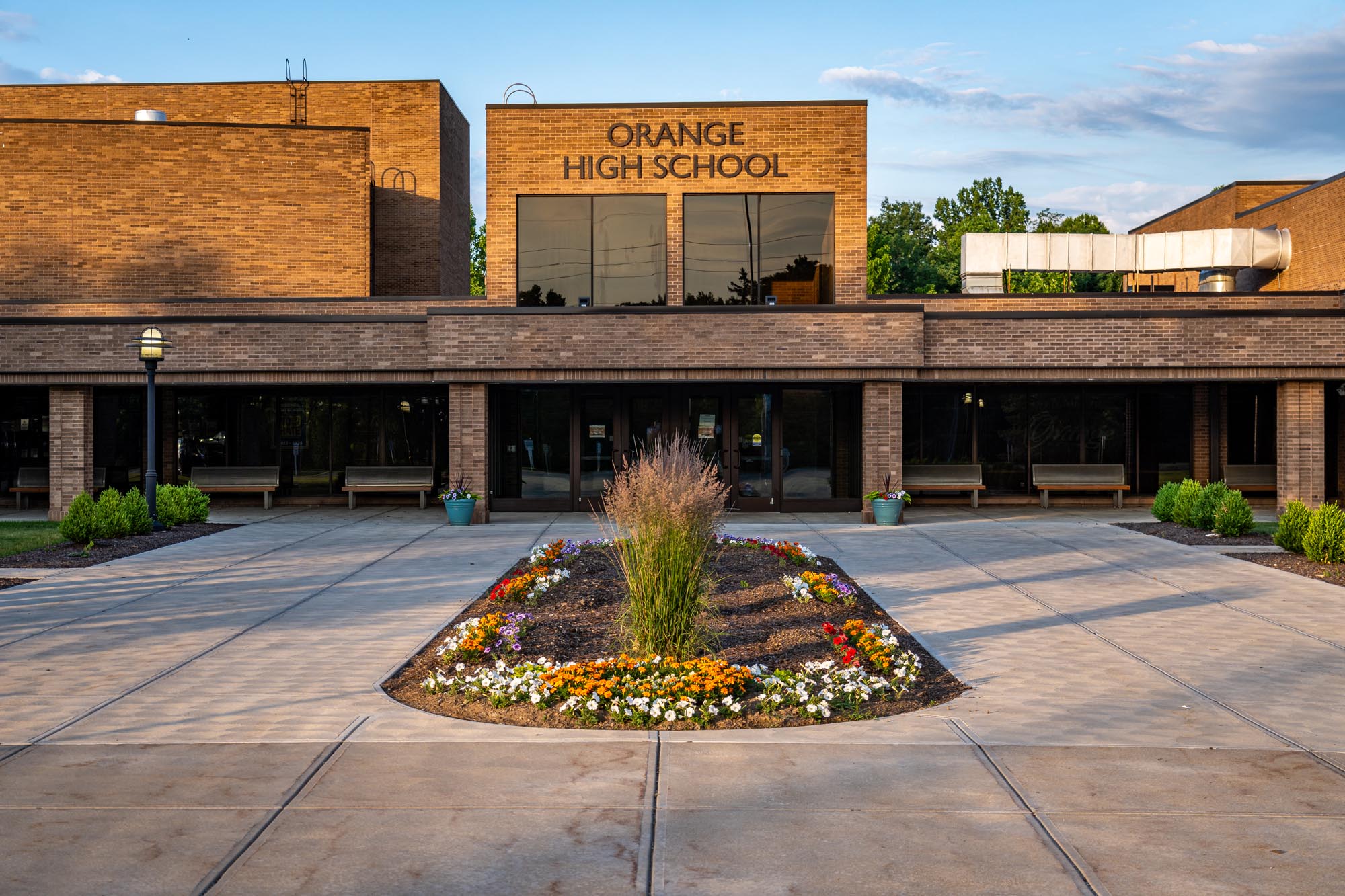
New entrances, athletic spaces, and renovated buildings are only part of what makes a school excellent. Children who are struggling deserve equally serious attention.
We want a clear plan for early math help, attendance support, and enough teachers to deliver that help—with results families can see.
See ten years of capital spendingPut the plan for children
in front of the request for more.
The board should explain who receives extra help, how much classroom support reaches them, and whether that support is working. Every child deserves the attention needed to succeed.
Capital spending includes necessary building and equipment work. Our concern is the priority and urgency given to student needs; dedicated capital money is subject to spending restrictions.
New money, permanently.
No scheduled renewal vote.
Issue 8 would add an estimated $7.8 million a year for a continuing period of time.
The official ballot contains no scheduled expiration. Voters would not automatically get another vote on renewing these new funds in five years.
Read the official ballot languageThen return to the voters.
If Issue 8 is rejected and the district returns with another proposal, we want a five-year levy requiring voter approval to renew. The district should earn that renewal through better priorities and results.
This is Better Ohio PAC’s proposed alternative, not a provision in Issue 8.
Contact us
Have a question about the facts, a concern about our schools, or information to share?
We want to hear from you. Send a message to the parents and citizens behind Orange Schools Levy Facts.
Your message and contact details will be used to respond to your inquiry. They will not be displayed on this website.
Vote NO on Issue 8,
the permanent levy,
on November 3
We support our schools and the teachers committed to our children. Vote NO on Issue 8, the permanent levy, and ask the district to earn our trust.